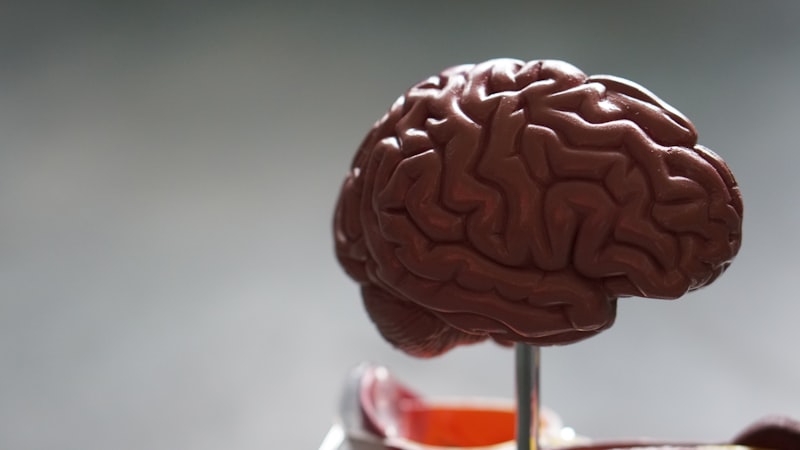
Understanding Traumatic Brain Injury

Knowledge is one of the most powerful tools in TBI recovery. Learn what TBI is, who it affects, and how recovery happens.

Brain scan imaging for TBI diagnosis

What is Traumatic Brain Injury?

A Traumatic Brain Injury (TBI) is a disruption in the normal function of the brain caused by a bump, blow, or jolt to the head — or a penetrating head injury. Not every blow or jolt to the head results in a TBI, but when the brain's normal function is disrupted, the effects can be far-reaching.

TBIs can range from mild (a brief change in mental status or consciousness) to severe (an extended period of unconsciousness or amnesia after the injury). The severity of a TBI may not always correlate with the long-term challenges a survivor faces.

Common Causes of TBI:

  • Falls — the leading cause of TBI, especially in older adults and young children
  • Motor vehicle accidents — including cars, motorcycles, and pedestrian incidents
  • Sports and recreational injuries — contact sports, cycling, skiing
  • Assault and violence — including domestic violence and gunshot wounds
  • Blast injuries — particularly among military service members

Who Is at Risk?

Men are 2x more likely
Males sustain TBIs at nearly twice the rate of females, largely due to higher participation in high-risk sports and occupations.
65+
Adults 65+ face highest risk
Older adults have the highest rates of TBI-related hospitalization and death, primarily due to falls at home.
15–24
Young adults — MVA most common
Motor vehicle accidents are the leading cause of TBI among young adults aged 15–24, making prevention education critical.

Signs & Symptoms

Symptoms vary widely based on the type and severity of injury. Early recognition can be life-saving.

Mild TBI (Concussion)

  • Brief loss of consciousness (seconds to minutes)
  • Headache, pressure in the head
  • Confusion, feeling "foggy" or "dazed"
  • Nausea or vomiting
  • Fatigue or drowsiness
  • Difficulty sleeping or sleeping too much
  • Sensitivity to light and noise
  • Memory and concentration problems
  • Mood changes, irritability

Moderate to Severe TBI

  • Loss of consciousness (minutes to hours)
  • Persistent or worsening headache
  • Repeated vomiting or nausea
  • Seizures or convulsions
  • Dilation of one or both pupils
  • Clear fluids from nose or ears
  • Inability to awaken from sleep
  • Profound confusion, agitation, or slurred speech
  • Weakness or numbness in extremities

⚠️ If you or someone you know shows signs of moderate or severe TBI, call 911 immediately.

Treatment Approaches

Treatment for TBI depends on the severity of the injury. Early intervention is critical.

🏥

Surgery

Severe TBIs may require emergency surgery to remove or repair hematomas (blood clots), repair skull fractures, relieve pressure on the brain, or stop active bleeding.

💊

Medication

Medications are used to prevent secondary injury, manage seizures, reduce inflammation, treat pain, and address psychiatric symptoms such as depression and anxiety that often accompany TBI.

🔄

Rehabilitation Therapies

Comprehensive rehabilitation includes physical therapy, occupational therapy, speech and language therapy, cognitive rehabilitation, neuropsychological therapy, and vocational counseling.

Living With TBI

TBI is often an invisible injury. Understanding its long-term impact is essential for survivors, families, and caregivers.

🧠

Cognitive Challenges

Many survivors experience ongoing difficulties with memory, attention, concentration, processing speed, executive function, and problem-solving. These challenges can affect work, education, and daily independence.

💙

Emotional & Mental Health

Depression, anxiety, PTSD, emotional dysregulation, and personality changes are common after TBI. Mental health support is a critical component of comprehensive TBI care.

👥

Social & Relationships

TBI can strain relationships, create isolation, and make social situations challenging. Building a strong support network — including peer support from other survivors — makes a significant difference.

The Recovery Timeline

Every TBI recovery is unique. This general timeline illustrates the typical phases of care.

1

Acute Care

Emergency stabilization, surgery if needed, ICU monitoring, and initial medical management. Hours to days.

2

Subacute Rehab

Intensive inpatient or outpatient rehabilitation with a multidisciplinary team. Weeks to months.

3

Long-Term Recovery

Ongoing therapy, community reintegration, and building adaptive strategies for daily life. Months to years.

4

Life After TBI

Building a new normal with ongoing support, community connection, and continuous personal growth.

TBI FAQs

Recovery from TBI varies greatly depending on the severity of the injury, the age of the survivor, and the support they receive. Mild TBIs often fully resolve within weeks to months. Moderate to severe TBIs may result in permanent changes, but with proper rehabilitation and support, many survivors achieve significant improvement and lead fulfilling lives. Recovery is a lifelong journey, not a destination.
A concussion is actually a type of mild TBI. All concussions are TBIs, but not all TBIs are concussions. TBI is a broader term that encompasses a spectrum of brain injuries from mild (concussion) to severe. While concussions are typically considered milder, they still deserve proper medical attention and management, as repeated concussions can have serious long-term consequences.
For any significant head injury, seek medical attention immediately. Call 911 if the person loses consciousness, has a seizure, or shows signs of severe TBI. Do not move someone if a spinal injury is possible. For suspected mild TBI or concussion, see a healthcare provider within 24 hours. Do not return to activity, sports, or work until cleared by a medical professional.
Education is the first step — understanding TBI helps family members set realistic expectations and offer meaningful support. Patience, consistency, and creating a structured environment are crucial. Seek out support for yourself as a caregiver, as TBI affects the whole family. Connect with organizations like Hug Your Head Foundation for community, resources, and guidance. Most importantly, listen to the survivor — they are the expert on their own experience.
Yes! Hug Your Head Foundation provides programs, support groups, mentoring, and education specifically for the TBI community in Scottsdale and across Arizona. We also connect survivors to national resources including the Brain Injury Association of America, the Brain Trauma Foundation, the CDC, and Barrow Neurological Institute in Phoenix — one of the leading TBI treatment centers in the country.

Trusted TBI Resources

Brain Injury Association of America

The leading national organization serving and representing individuals, families, and professionals affected by brain injury.

Visit BIAUSA →

Brain Trauma Foundation

A leading organization in TBI research, producing evidence-based guidelines that have reduced TBI deaths and disabilities worldwide.

Visit BTF →

CDC — Traumatic Brain Injury

The Centers for Disease Control and Prevention's comprehensive TBI resource hub with data, prevention tools, and educational materials.

Visit CDC →

Barrow Neurological Institute

Phoenix-based world-renowned neurological center offering advanced TBI treatment, research, and a comprehensive care team for survivors in Arizona.

Visit Barrow →

You Don't Have to Face This Alone

Our community is here for every step of your TBI journey — from newly diagnosed to years into recovery.

Find Support